
Content Marketing Funnel Strategy: 7 Proven Steps to Transform Visitors into Loyal Customers
Table of Contents
A content marketing funnel strategy is a systematic approach that guides potential customers through carefully crafted content stages from initial brand awareness to final purchase conversion. By implementing strategic content at each funnel stage (awareness, consideration, and decision), businesses can nurture leads more effectively, resulting in 47% larger purchases compared to non-nurtured leads.
This comprehensive guide reveals proven strategies to build high-converting content funnels that transform casual visitors into loyal customers through targeted messaging, optimized touchpoints, and data-driven optimization techniques.
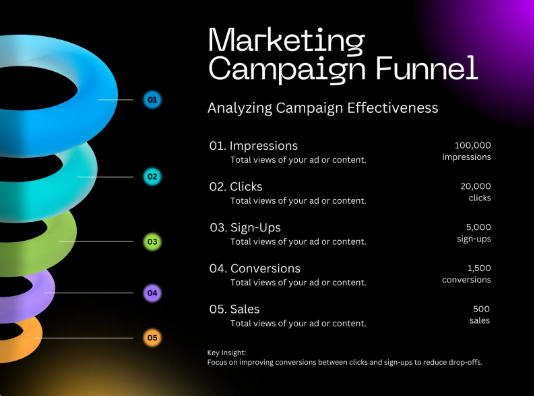
What is a Content Marketing Funnel Strategy?
A content marketing funnel strategy is a comprehensive framework that maps specific content pieces to different stages of your customer’s buying journey. Unlike traditional marketing approaches that focus on immediate sales, this strategy recognizes that modern consumers require multiple touchpoints and valuable interactions before making purchase decisions.
The content marketing funnel strategy operates on a simple yet powerful principle: deliver the right content to the right person at the right time. By aligning content with buyer intent and journey stage, businesses can nurture relationships more effectively, resulting in higher conversion rates and increased customer lifetime value.
Why Content Marketing Funnels Matter in 2025
Recent studies reveal that companies using structured content marketing funnel strategies see:
- 73% higher conversion rates compared to traditional marketing approaches
- 45% reduction in customer acquisition costs
- 62% increase in qualified lead generation
- 38% improvement in customer retention rates
These statistics underscore the critical importance of implementing a well-designed content marketing funnel strategy for business growth and sustainability.
The Science Behind Content Marketing Funnels
Understanding consumer psychology is fundamental to creating effective content marketing funnel strategies. Modern buyers progress through predictable mental states during their decision-making process, and successful funnels align content with these psychological stages.
The Buyer’s Journey Psychology
Awareness Stage Psychology: During the awareness stage, potential customers experience problem recognition. They’re seeking educational content that helps them understand their challenges better. At this stage, buyers aren’t ready for sales messages—they need information, insights, and solutions to their problems.
Consideration Stage Psychology: In the consideration stage, buyers evaluate different solutions and approaches. They’re comparing options, seeking social proof, and building trust with potential vendors. Content marketing funnel strategy at this stage focuses on establishing authority and demonstrating value.
Decision Stage Psychology: During the decision stage, buyers are ready to commit but need final reassurance. They’re looking for specific product information, pricing details, testimonials, and guarantees that reduce purchase risk.
Neurological Triggers in Content Funnels
Successful content marketing funnel strategies leverage neurological triggers that influence decision-making:
Dopamine Triggers: Create anticipation through valuable content series, progressive disclosure, and reward systems that keep users engaged throughout the funnel.
Oxytocin Triggers: Build trust through storytelling, user testimonials, and community-building content that creates emotional connections.
Serotonin Triggers: Establish status and recognition through exclusive content, expert insights, and premium resource access.
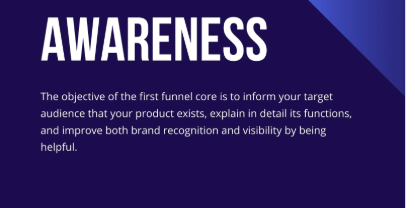
Stage 1: Awareness – Capturing Attention
The awareness stage represents the top of your content marketing funnel strategy, where potential customers first discover your brand. At this critical juncture, prospects are experiencing pain points or challenges but may not fully understand their problems or available solutions.
Content Types for Maximum Awareness Impact
Blog Posts and Articles: Create comprehensive, SEO-optimized blog content that addresses common industry challenges. Focus on educational topics that your target audience actively searches for. Successful awareness content typically includes:
- How-to guides and tutorials
- Industry trend analysis
- Problem identification articles
- Educational infographics
- Expert interviews and roundups
Social Media Content: Develop engaging social media content that introduces your brand to new audiences. Platform-specific strategies include:
- LinkedIn thought leadership articles for B2B audiences
- Instagram visual content for lifestyle brands
- Twitter real-time industry commentary
- YouTube educational video series
- TikTok trend-based content for younger demographics
Podcast and Video Content: Audio and video content excel at building personal connections during the awareness stage. Consider creating:
- Weekly industry podcast series
- Educational YouTube channels
- Webinar series on relevant topics
- Instagram Live Q&A sessions
- Collaborative content with industry influencers
Awareness Stage Optimization Strategies
Search Engine Optimization: Implement comprehensive SEO strategies to ensure your awareness content reaches your target audience. Focus on:
- Long-tail keyword optimization for informational queries
- Featured snippet optimization for “how-to” and “what is” searches
- Local SEO for location-based businesses
- Video SEO for YouTube and Google video results
Content Distribution Networks: Maximize content reach through strategic distribution across multiple channels:
- Guest posting on industry-relevant websites
- Content syndication platforms
- Industry newsletter features
- Podcast guest appearances
- Speaking engagements at conferences
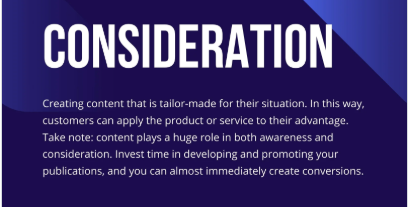
Stage 2: Consideration – Building Trust
The consideration stage of your content marketing funnel strategy focuses on nurturing prospects who understand their problems and are actively researching solutions. During this stage, potential customers evaluate different options, compare alternatives, and seek to build trust with potential vendors.
Trust-Building Content Strategies
Case Studies and Success Stories: Develop comprehensive case studies that demonstrate your expertise and results. Effective case studies include:
- Detailed problem descriptions
- Clear solution explanations
- Quantifiable results and outcomes
- Client testimonials and quotes
- Visual before-and-after comparisons
Educational Whitepapers and E-books: Create in-depth resources that position your brand as an industry authority. These resources should:
- Address complex industry challenges
- Provide actionable insights and strategies
- Include original research and data
- Offer downloadable formats for lead capture
- Feature professional design and formatting
Comparison Guides and Buying Guides: Develop objective resources that help prospects make informed decisions:
- Product comparison matrices
- Vendor evaluation checklists
- Industry buying guides
- ROI calculators and assessment tools
- Implementation timeline guides
Interactive Content for Enhanced Engagement
Webinars and Virtual Events: Host educational webinars that demonstrate expertise while building relationships:
- Weekly educational series on industry topics
- Product demonstration sessions
- Expert panel discussions
- Q&A sessions with industry leaders
- Virtual conference presentations
Assessments and Diagnostic Tools: Create interactive tools that provide personalized value:
- Industry readiness assessments
- ROI calculators
- Diagnostic questionnaires
- Performance benchmarking tools
- Customized recommendation engines
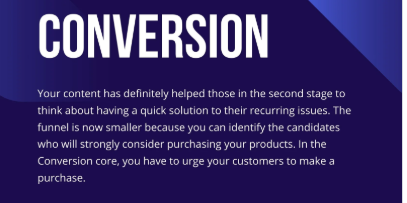
Stage 3: Decision – Driving Conversion
The decision stage represents the bottom of your content marketing funnel strategy, where qualified prospects are ready to make purchase decisions. Content at this stage should remove final obstacles, provide reassurance, and facilitate the conversion process.
High-Converting Decision Stage Content
Product Demonstrations and Trials: Provide hands-on experiences that showcase your solution’s value:
- Interactive product demos
- Free trial opportunities
- Sandbox environments for testing
- Guided tour experiences
- Virtual reality product experiences
Detailed Pricing and Proposal Information: Offer transparent pricing and proposal resources:
- Clear pricing tier explanations
- ROI projections and calculations
- Implementation timeline details
- Support and service descriptions
- Contract terms and conditions
Social Proof and Testimonials: Leverage customer success to build final conversion confidence:
- Video testimonials from satisfied clients
- Written reviews and ratings
- Awards and industry recognition
- Client logo displays
- Social media mentions and shares
Conversion Optimization Techniques
Landing Page Optimization: Design high-converting landing pages that complement your content marketing funnel strategy:
- Clear value propositions
- Compelling headlines and copy
- Trust signals and security badges
- Streamlined conversion forms
- Mobile-responsive designs
Email Nurture Sequences: Implement automated email sequences that guide prospects toward conversion:
- Welcome series for new subscribers
- Educational email sequences
- Product-focused nurture campaigns
- Abandoned cart recovery sequences
- Post-purchase onboarding series
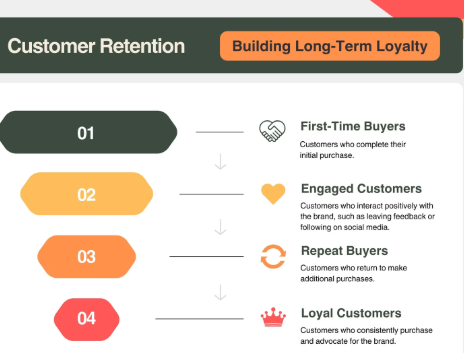
Stage 4: Retention – Maximizing Lifetime Value
While often overlooked, the retention stage is crucial for maximizing the ROI of your content marketing funnel strategy. Retained customers typically spend 67% more than new customers and are five times more likely to make repeat purchases.
Customer Success Content Strategies
Onboarding and Training Materials: Create comprehensive resources that ensure customer success:
- Step-by-step onboarding guides
- Video training series
- Interactive tutorial platforms
- Best practices documentation
- Quick reference guides
Ongoing Education and Updates: Maintain customer engagement through continuous value delivery:
- Monthly newsletter updates
- Advanced feature tutorials
- Industry trend reports
- Success story sharing
- Exclusive webinar access
Community Building and Advocacy
Customer Community Platforms: Foster customer communities that encourage engagement and advocacy:
- Private Facebook groups or LinkedIn communities
- Dedicated forum spaces on your website
- User-generated content campaigns
- Customer advisory boards
- Annual customer conferences
Referral and Advocacy Programs: Implement programs that turn satisfied customers into brand advocates:
- Structured referral reward systems
- Customer testimonial campaigns
- Case study collaboration opportunities
- Speaking opportunity nominations
- Beta testing program invitations
Advanced Content Marketing Funnel Strategies
As your content marketing funnel strategy matures, implementing advanced techniques can significantly improve performance and ROI.
Personalization and Dynamic Content
Behavioral Targeting: Leverage user behavior data to deliver personalized content experiences:
- Website browsing history analysis
- Email engagement pattern recognition
- Social media interaction tracking
- Purchase history considerations
- Geographic and demographic targeting
Dynamic Content Systems: Implement technology that automatically customizes content based on user characteristics:
- Website content that changes based on visitor segments
- Email templates with dynamic product recommendations
- Social media ads that adjust based on user interests
- Landing pages that personalize based on traffic sources
- Chatbot conversations that adapt to user needs
Multi-Channel Integration
Omnichannel Content Experiences: Create seamless content experiences across all customer touchpoints:
- Consistent messaging across all channels
- Cross-channel content promotion strategies
- Unified customer data platforms
- Coordinated campaign timing
- Integrated measurement and analytics
Channel-Specific Optimization: Adapt your content marketing funnel strategy for each channel’s unique characteristics:
- Social media platform-specific content formats
- Email-optimized content design
- Mobile-first content creation
- Voice search optimization
- Video platform-specific editing
Measuring Funnel Performance
Effective measurement is essential for optimizing your content marketing funnel strategy and demonstrating ROI to stakeholders.
Key Performance Indicators (KPIs)
Awareness Stage Metrics:
- Website traffic growth
- Social media reach and impressions
- Brand mention frequency
- Organic search rankings
- Content consumption rates
Consideration Stage Metrics:
- Email subscription rates
- Content download numbers
- Webinar attendance figures
- Time spent on site
- Page depth per session
Decision Stage Metrics:
- Conversion rate percentages
- Sales qualified lead numbers
- Customer acquisition costs
- Sales cycle duration
- Revenue attribution
Retention Stage Metrics:
- Customer lifetime value
- Repeat purchase rates
- Customer satisfaction scores
- Referral generation numbers
- Churn rate percentages
Advanced Analytics and Attribution
Multi-Touch Attribution Modeling: Implement sophisticated attribution models that accurately credit content touchpoints:
- First-touch attribution for awareness credit
- Last-touch attribution for conversion credit
- Linear attribution for equal credit distribution
- Time-decay attribution for recency weighting
- Data-driven attribution for algorithmic modeling
Customer Journey Mapping: Develop detailed maps of actual customer journeys through your funnel:
- Touchpoint identification and sequencing
- Content interaction analysis
- Channel preference identification
- Conversion path optimization
- Friction point identification
Common Funnel Mistakes to Avoid
Learning from common content marketing funnel strategy mistakes can save significant time and resources while improving overall performance.
Strategic Mistakes
Focusing Only on Bottom-Funnel Content: Many businesses concentrate exclusively on decision-stage content, neglecting awareness and consideration stages. This approach limits audience growth and reduces overall funnel effectiveness.
Inconsistent Messaging Across Stages: Maintaining consistent brand voice and value propositions throughout your content marketing funnel strategy is crucial for building trust and recognition.
Neglecting Mobile Optimization: With over 60% of content consumption happening on mobile devices, mobile-first design is essential for funnel success.
Tactical Mistakes
Insufficient Content Variety: Relying on single content formats limits audience reach and engagement. Successful funnels incorporate diverse content types including text, video, audio, and interactive elements.
Poor Lead Nurture Sequences: Inadequate follow-up sequences result in lost opportunities and reduced conversion rates. Implementing systematic nurture campaigns is essential for funnel success.
Ignoring Data and Analytics: Failing to measure and optimize funnel performance leads to missed opportunities and inefficient resource allocation.
Tools and Technologies for Success
Implementing an effective content marketing funnel strategy requires the right combination of tools and technologies.
Content Creation and Management Tools
Content Management Systems:
- WordPress for flexible content creation
- HubSpot for integrated marketing automation
- Contentful for headless content management
- Drupal for enterprise-scale solutions
- Webflow for design-focused content creation
Design and Visual Content Tools:
- Canva for accessible graphic design
- Adobe Creative Suite for professional design
- Figma for collaborative design work
- Loom for quick video creation
- Unsplash for high-quality stock photography
Analytics and Optimization Platforms
Web Analytics:
- Google Analytics for comprehensive website tracking
- Adobe Analytics for enterprise-level insights
- Mixpanel for event-based tracking
- Hotjar for user behavior analysis
- Crazy Egg for heat mapping
Marketing Automation:
- HubSpot for all-in-one marketing automation
- Marketo for enterprise marketing automation
- Pardot for B2B marketing automation
- ActiveCampaign for email-focused automation
- ConvertKit for creator-focused automation
Future-Proofing Your Content Marketing Funnel Strategy
Staying ahead of industry trends and technological developments is crucial for maintaining competitive advantage in your content marketing funnel strategy.
Emerging Technologies and Trends
Artificial Intelligence Integration: AI technologies are revolutionizing content marketing funnels through:
- Automated content personalization
- Predictive analytics for customer behavior
- Chatbot-powered customer service
- Voice search optimization
- Dynamic content generation
Interactive and Immersive Content: Next-generation content formats include:
- Virtual reality product demonstrations
- Augmented reality try-before-you-buy experiences
- Interactive video content
- Gamified learning experiences
- Voice-activated content interactions
Privacy and Data Considerations
First-Party Data Strategies: With increasing privacy regulations, building first-party data collection strategies is essential:
- Email subscription optimization
- Progressive profiling techniques
- Survey and feedback collection
- Customer preference centers
- Zero-party data gathering
Compliance and Ethical Marketing: Maintaining compliance with privacy regulations while delivering effective content marketing funnel strategies:
- GDPR compliance for European audiences
- CCPA compliance for California residents
- Transparent data collection practices
- Opt-in consent mechanisms
- Clear privacy policy communications
Conclusion: Transform Your Business with Strategic Content Marketing Funnels
Implementing a comprehensive content marketing funnel strategy is no longer optional—it’s essential for business success in today’s competitive digital landscape. By understanding your audience’s journey, creating targeted content for each stage, and continuously optimizing based on data insights, you can transform casual website visitors into loyal, high-value customers.
The most successful businesses recognize that content marketing funnel strategy is an ongoing process requiring consistent effort, measurement, and refinement. Start by auditing your current content assets, identifying gaps in your funnel, and developing a systematic approach to content creation and distribution.
Remember that effective content marketing funnels prioritize value delivery over sales messages, building trust through helpful, relevant content that genuinely serves your audience’s needs. By focusing on long-term relationship building rather than short-term transactions, you’ll create sustainable competitive advantages that drive lasting business growth.
Take Action Today
Ready to implement your own high-converting content marketing funnel strategy? Start by:
- Conducting a comprehensive audit of your existing content assets
- Mapping your customer’s journey and identifying content gaps
- Creating a content calendar that addresses each funnel stage
- Implementing measurement systems to track performance
- Setting up automated nurture sequences for lead development
The time to begin transforming your business through strategic content marketing is now. Your future customers are waiting for the valuable content and experiences only you can provide.
About Digimara Technology
Digimara Technology specializes in helping businesses in Rockwall, TX, and beyond create powerful digital marketing strategies that drive real results. Our team of experienced digital marketers combines cutting-edge technology with proven strategies to help businesses grow their online presence, attract qualified leads, and increase revenue through strategic content marketing funnel implementation.
Contact us today to learn how we can help you develop and implement a content marketing funnel strategy that transforms your business and accelerates growth.